Relapse Prevention Guide in Maine
Maintaining sobriety can be challenging, but with the right strategies and support, you can significantly reduce your chances of relapse. This guide aims to provide you with effective relapse prevention techniques, resources in Maine, and a hopeful perspective on recovery.
Understanding Triggers
Triggers are situations, people, or emotions that can lead to cravings and potential relapse. Identifying your triggers is a crucial first step in preventing relapse. Common triggers include:
- Stress: Life stressors can overwhelm you and lead to cravings.
- Social Situations: Being around people who use substances can tempt you to relapse.
- Emotional States: Feelings of sadness, loneliness, or anger can be triggers.
Keep a journal to track your triggers and develop strategies to manage them effectively.
HALT 기법
The HALT technique is a practical tool to help you recognize when you may be vulnerable to relapse. HALT stands for:
- 배고픈: Ensure you are eating regular, nutritious meals.
- 화난: Address unresolved anger through communication or therapy.
- 외로운: Reach out to friends, family, or support groups.
- 피곤한: Prioritize rest and self-care to maintain your mental health.
By regularly checking in with yourself using HALT, you can reduce the risk of relapse before it happens.
Building a Support Network
Having a strong support network is vital for recovery. Surround yourself with people who understand your journey and can offer encouragement. Consider the following:
- Friends and Family: Share your recovery goals with them and encourage open communication.
- 지원 그룹: Engage with local support groups such as 알코올 중독자 익명 모임 or other community programs in Maine.
- Therapists: Work with a mental health professional who specializes in addiction recovery and can help you navigate your feelings and triggers. Explore options through our therapist resource page.
Local Resources in Maine
Maine offers a variety of resources to support your recovery journey:
- Detox Centers: If you need medical assistance in detoxification, look into local detox centers. More information can be found on our detox resource page.
- Treatment Facilities: Access comprehensive treatment programs tailored to your needs. Find options on our treatment resource page.
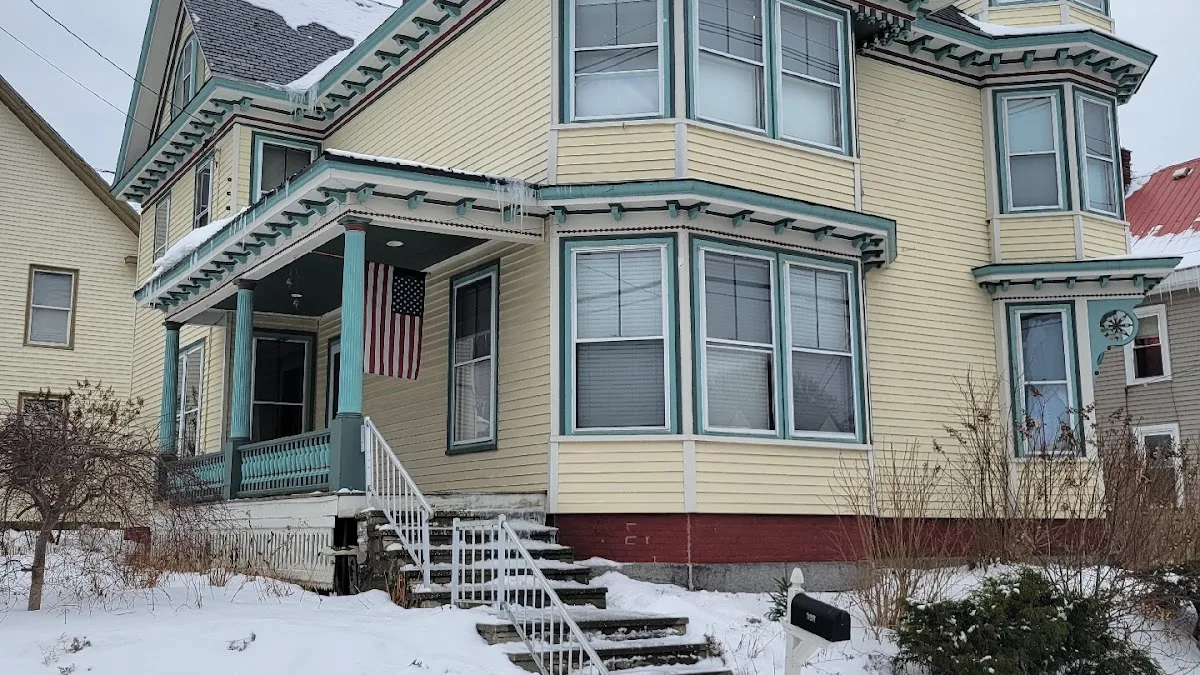
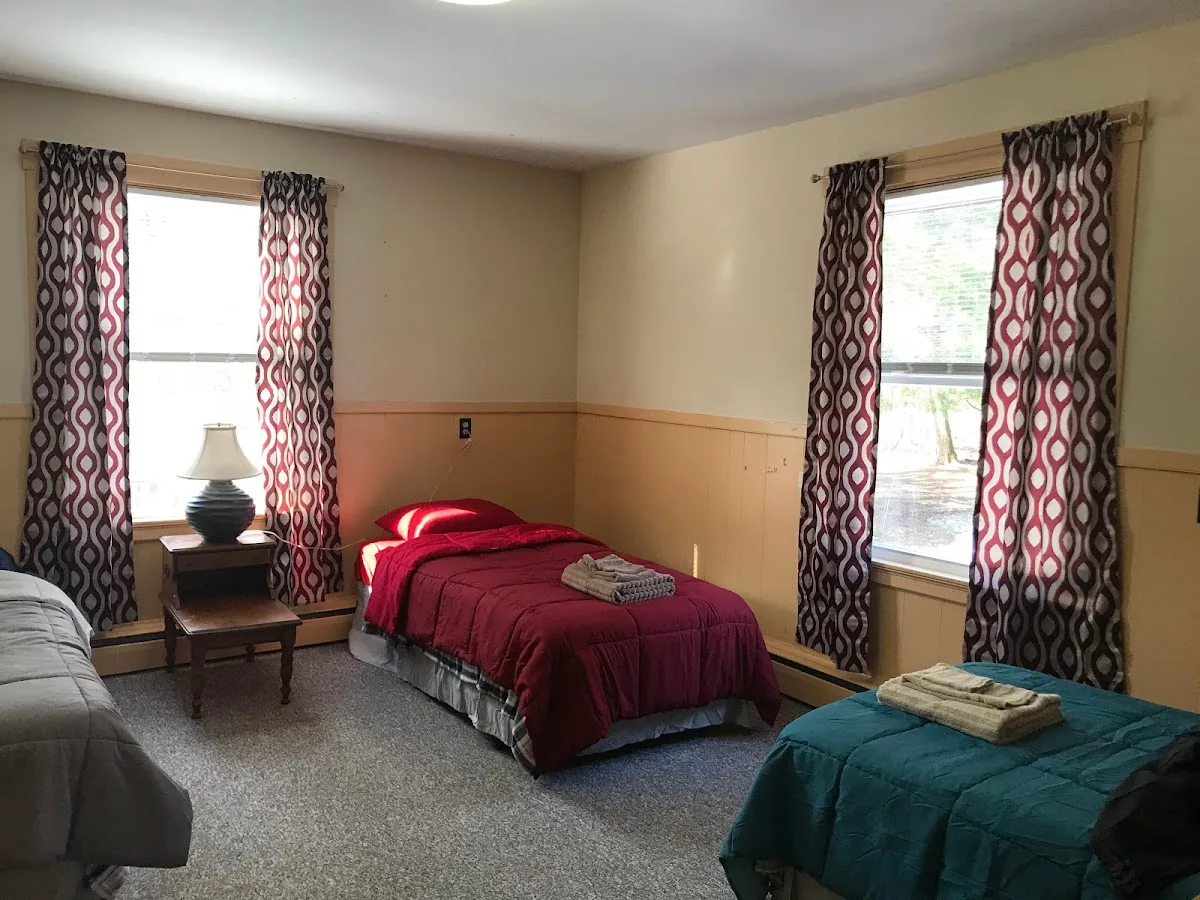
- Sober Living Houses: Consider staying in a sober living environment where you can continue your recovery in a supportive setting. Learn more on our sober living resource page.
Creating a Relapse Prevention Plan
A personalized relapse prevention plan is essential. Here are the steps you can take to create one:
- 유발 요인 파악: List out your triggers and how you plan to handle them.
- 대처 전략을 개발하세요: Include techniques like deep breathing, meditation, or exercising.
- 목표를 설정하세요: Establish short-term and long-term goals for your recovery.
- Check-In Regularly: Schedule regular check-ins with your support network to discuss your progress.
경고 신호 인식하기
Being aware of warning signs can help you intervene before a relapse occurs. Common warning signs include:
- 특정 물질에 대한 갈망이 증가함.
- Withdrawal from social activities and support systems.
- Changes in mood or behavior.
- 자기 관리 루틴을 소홀히 하는 것.
Stay vigilant and communicate openly with your support network if you notice any of these signs.
재발 후 해야 할 일
If you experience a relapse, remember that it's a part of the recovery journey for many people. Here’s what you can do:
- Don’t Isolate: Reach out to your support network immediately.
- 반영하다: Analyze what led to the relapse and what you can learn from it.
- 계획을 다시 검토하세요: Adjust your relapse prevention plan based on your experience.
- 전문가의 도움을 받으세요: Consider returning to therapy or a support group for additional guidance.
Remember, relapse is not a failure, but a chance to learn and grow in your recovery journey. Stay hopeful, and know that with the right support and strategies, you can achieve long-term sobriety.
이 글은 정보 제공만을 목적으로 하며 의학적 조언을 대체할 수 없습니다.
```메인주에서 더 많은 회복 지원 정보를 확인하세요
Sober Network is a directory, not an intake form. Explore local facilities and contact providers directly.