Understanding the Connection Between Sleep and Addiction Recovery in Maine
Many individuals embarking on their recovery journey in Maine may not realize how crucial sleep is to the process. How sleep affects addiction recovery in Maine is a topic that deserves attention, as it can significantly influence the path to sobriety. In this article, we’ll explore the intricate relationship between sleep and recovery, offer practical tips for improving sleep quality, and provide resources available in our beautiful state.
The Importance of Sleep During Recovery
Sleep plays a vital role in our physical and mental health. For those in recovery, getting quality sleep can:
- Boost Emotional Resilience: Adequate sleep helps regulate mood and emotions, making it easier to cope with stressors that may trigger cravings.
- Enhance Cognitive Function: Good sleep improves focus, decision-making, and problem-solving skills, which are essential during recovery.
- Support Physical Health: Sleep is essential for healing and recovery, helping the body repair itself and manage stress.
- Reduce Cravings: Studies show that a lack of sleep can increase cravings for substances, making recovery more challenging.
The Sleep-Addiction Cycle
Understanding how sleep and addiction influence each other is crucial for recovery. Many individuals struggling with addiction often experience sleep disturbances, such as insomnia or sleep apnea. This can create a vicious cycle:
- Consommation de substances : Many people turn to substances to self-medicate sleep issues, thinking that alcohol or drugs will help them relax.
- Sleep Disruption: However, substances often disrupt sleep patterns, leading to poor sleep quality and fatigue.
- Increased Cravings: Poor sleep can increase cravings, leading back to substance use, which perpetuates the cycle.
Practical Tips for Improving Sleep Quality
Improving sleep can be a transformative part of the recovery process. Here are some practical tips tailored for those in Maine:
- Établir une routine : Going to bed and waking up at the same time each day helps regulate your body’s internal clock.
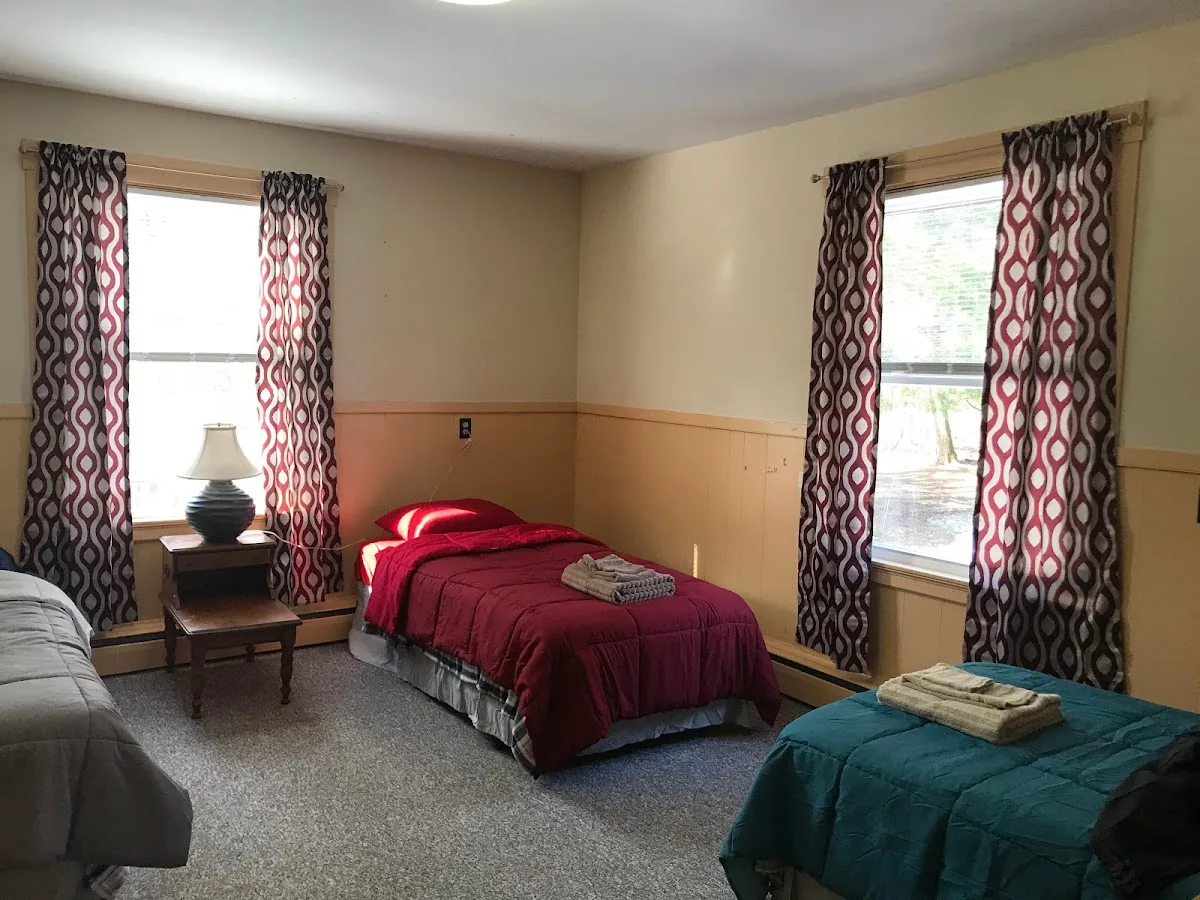
- Create a Restful Environment: Make your bedroom a sleep-friendly space. Consider blackout curtains, earplugs, or a white noise machine, especially if you live in a bustling area like Portland.
- Avoid Stimulants: Limit caffeine intake, especially in the afternoon and evening. Instead, opt for herbal teas like chamomile, which are soothing and promote relaxation.
- Regular Exercise: Engage in physical activities, such as hiking in Acadia National Park or joining a local gym, which can help improve sleep quality. Just be mindful not to exercise too close to bedtime.
- Limit Screen Time: Reduce exposure to screens at least an hour before bed. The blue light emitted can interfere with melatonin production, making it harder to fall asleep.
- Mindfulness and Relaxation Techniques: Engage in meditation, deep breathing, or yoga to calm your mind and prepare your body for sleep.
Local Resources for Sleep and Recovery in Maine
Maine is rich in resources that can support individuals in recovery, especially concerning sleep improvement:
- Centres de santé communautaires : Many local health centers, such as the Maine Health Care Association, offer counseling and support groups that address sleep issues as part of addiction recovery.
- Therapy and Support Groups: Organizations like NAMI Maine provide peer support groups where individuals can share experiences related to sleep and recovery.
- Yoga and Mindfulness Classes: Look for local studios in cities like Bangor or Augusta that offer classes specifically designed for recovery and stress relief.
- Prestataires de soins de santé : Consult with healthcare professionals who specialize in addiction recovery for personalized strategies to improve sleep quality.
Hope for the Future
As you navigate the recovery journey in Maine, remember that improving your sleep can significantly enhance your overall well-being. While the road may be challenging at times, prioritizing sleep is an essential step toward lasting recovery.
If you or someone you know is struggling with addiction, consider reaching out to local resources for support. Remember, you are not alone, and help is available. Embrace the path to recovery with the knowledge that good sleep can lead to a brighter, healthier future.
Call to Action
Ready to take the first step toward improving your sleep and enhancing your recovery? Explore local resources, connect with support groups, and prioritize your health. Together, we can overcome the challenges of addiction and build a brighter future in Maine.
For more information on resources and support for addiction recovery in Maine, visit our website or call our helpline today!
Disclaimer: This article is for informational purposes only and does not constitute medical advice. Always consult with a healthcare provider for personalized guidance on addiction recovery and sleep issues.
Plus de ressources pour la relance dans le Maine
- Insurance Coverage for Addiction Treatment in Maine: Complete Guide
- Traitement des troubles mentaux et des doubles diagnostics dans le Maine
- Que se passe-t-il dans un centre de désintoxication du Maine ? Guide complet
- Consultez les maisons de vie sobre du Maine
- Trouver des centres de désintoxication dans le Maine
- Obtenez de l'aide gratuite dès maintenant
Sober Network is a directory, not an intake form. Explore local facilities and contact providers directly.