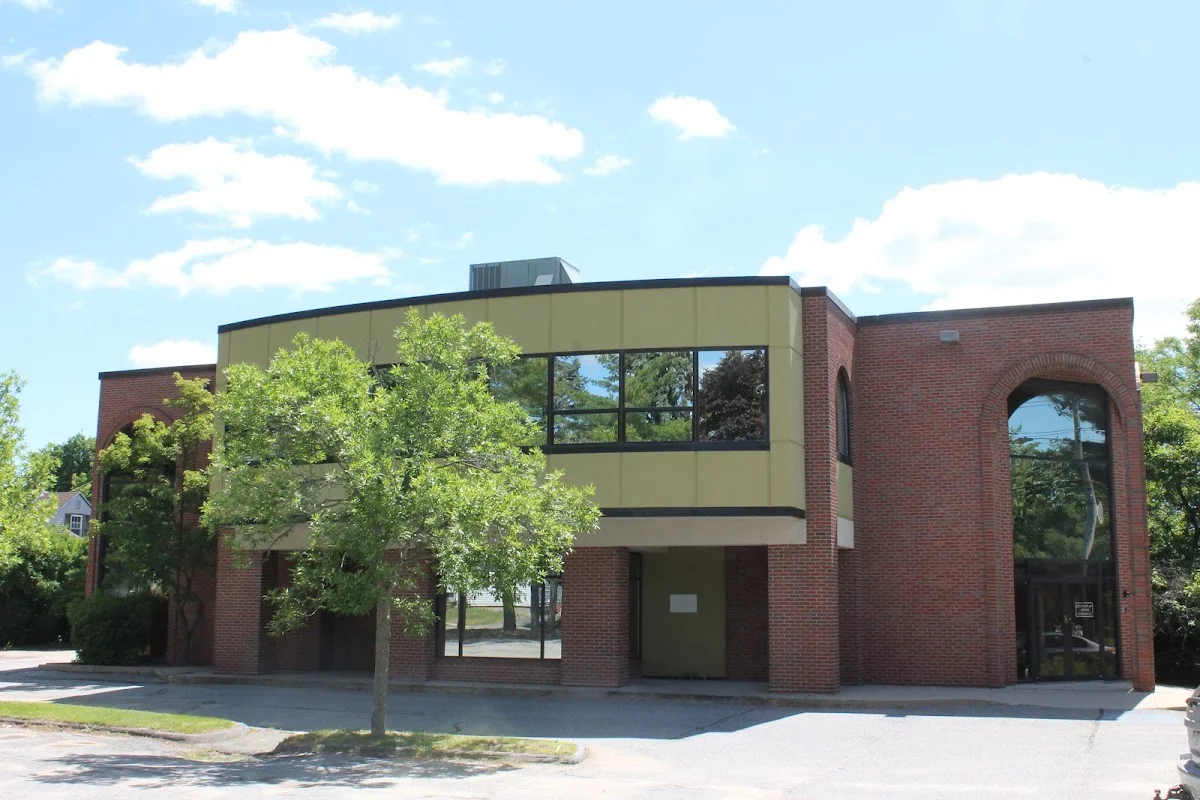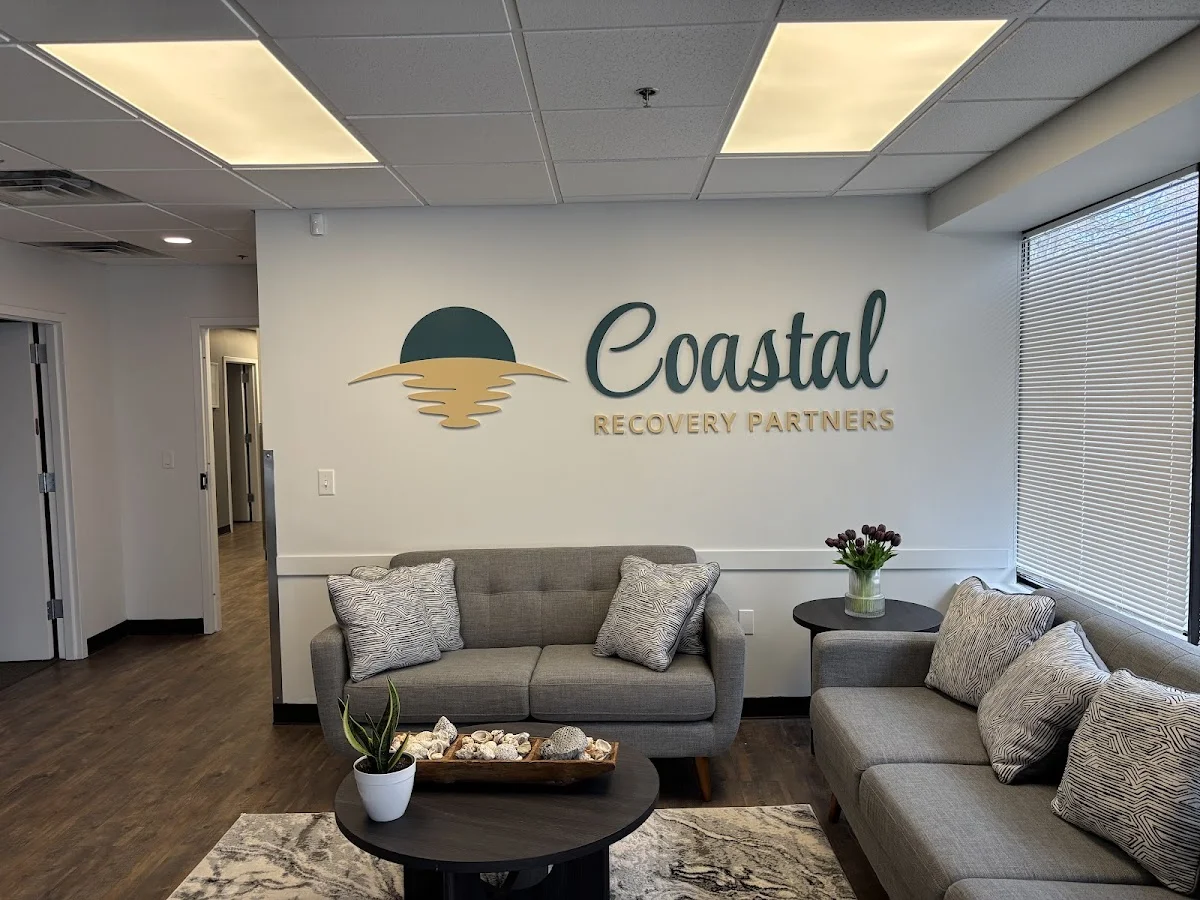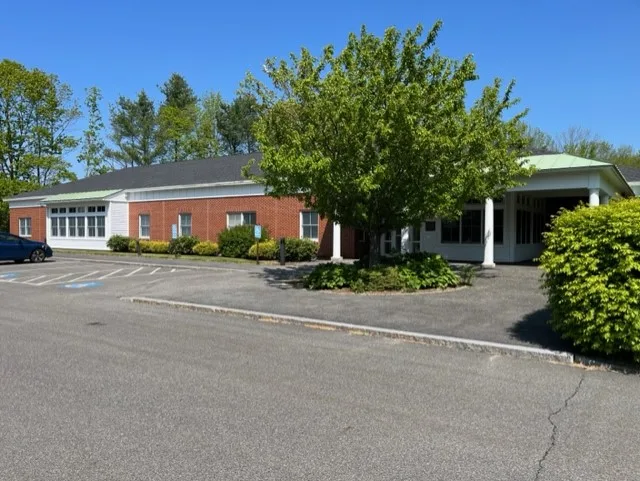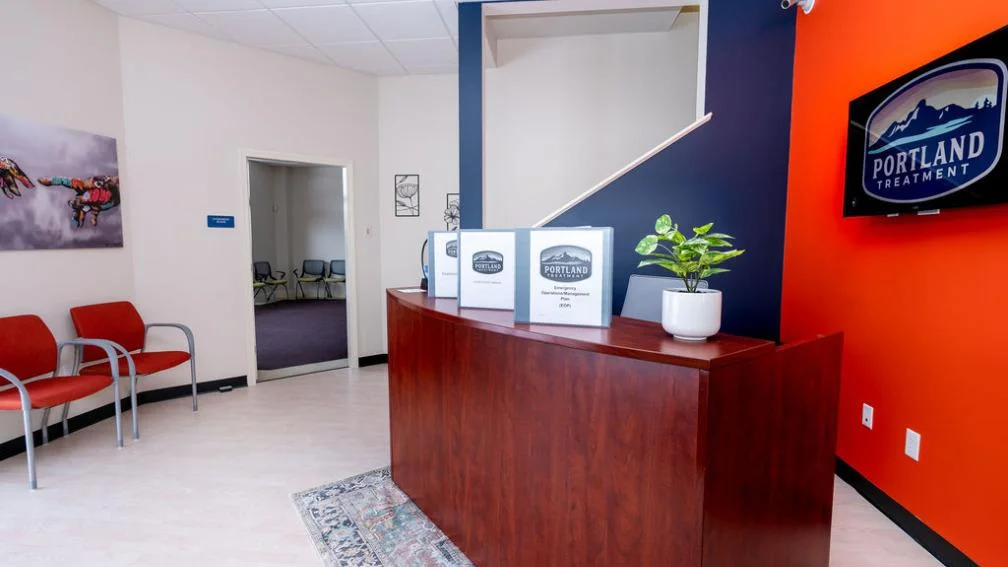
Navigating addiction recovery can feel overwhelming, but understanding your treatment options is a crucial first step. In Maine, a variety of outpatient programs offer flexible and effective support, allowing you to maintain your daily life while working towards sobriety. This guide will break down the different types of outpatient care available, helping you find the best fit for your individual needs.
Understanding Outpatient Addiction Treatment in Maine
Outpatient addiction treatment provides therapeutic services without requiring you to live at a residential facility. This allows you to live at home and continue with work, school, or family responsibilities while attending treatment sessions. There are varying levels of intensity within outpatient care, each designed to meet different stages of recovery.
IOP vs. PHP vs. Standard Outpatient: Key Differences
The primary difference between Intensive Outpatient Programs (IOPs), Partial Hospitalization Programs (PHPs), and standard outpatient treatment lies in the intensity and time commitment required.
- Intensive Outpatient Programs (IOPs): IOPs offer a structured treatment approach with several hours of therapy per week, typically spread across multiple days. This level of care is suitable for individuals who need more support than standard outpatient but don't require 24/7 supervision.
- Partial Hospitalization Programs (PHPs): PHPs, sometimes called day treatment, are the most intensive form of outpatient care. They involve attending treatment for a significant portion of the day, often five to seven days a week. PHPs are appropriate for individuals who need a high level of support and structure but can safely return home each night.
- Tratamiento ambulatorio estándar: This is the least intensive option, typically involving one to two therapy sessions per week. Standard outpatient is best suited for individuals with mild addiction or those who have completed a more intensive program and are transitioning to aftercare.
Typical Daily Schedules
The daily schedule varies significantly depending on the program type:
- IOP: Typically involves attending group therapy, individual counseling, and educational sessions for several hours, 2-5 days per week. Sessions might be in the morning, afternoon, or evening.
- PHP: Involves a full day of structured activities, including individual therapy, group therapy, medication management, and psychoeducational workshops. The schedule often mirrors a full-time job, with sessions running from morning until mid-afternoon.
- Consulta ambulatoria estándar: Usually involves a one-hour individual or group therapy session once or twice a week, scheduled around your personal commitments.
¿Quién es el más adecuado para cada nivel de atención?
Choosing the right level of care is crucial for successful recovery:
- IOP: Suitable for individuals with moderate addiction, a stable living environment, and the ability to maintain abstinence outside of treatment hours.
- PHP: Ideal for individuals who need a high level of support and structure, have recently relapsed, or are transitioning from inpatient treatment but are not yet ready for less intensive care.
- Consulta ambulatoria estándar: Appropriate for individuals with mild addiction, those in early recovery who need ongoing support, or those who have completed a more intensive program and are transitioning to aftercare.
Transición de la atención hospitalaria a la atención ambulatoria.
Transitioning from inpatient to outpatient care is a critical step in maintaining long-term sobriety. A well-structured transition plan should include:
- Continuing Therapy: Scheduling regular therapy sessions with a qualified addiction counselor.
- Grupos de apoyo: Attending support groups like Alcoholics Anonymous (AA) or Narcotics Anonymous (NA).
- Gestión de la medicación: If applicable, continuing medication-assisted treatment (MAT) under the guidance of a physician.
- Sober Living: Considering a sober living environment for added support and structure.
Cost and Insurance Coverage in Maine
The cost of outpatient addiction treatment varies depending on the program type, duration, and specific services offered. Generally, PHP is the most expensive, followed by IOP, and then standard outpatient.
Most insurance plans, including those offered through the Affordable Care Act (ACA), Medicaid (MaineCare), and Medicare, cover addiction treatment services. However, coverage details can vary, so it's essential to verify your benefits with your insurance provider. Contact the treatment center directly to confirm they accept your insurance. They can often assist with verifying your benefits as well.
Cost Comparison (Estimates)
- IOP: $3,000 - $10,000 per month
- PHP: $10,000 - $20,000 per month
- Consulta ambulatoria estándar: Entre 100 y 300 dólares por sesión.
Note: These are estimates, and actual costs may vary. Some programs may offer payment plans or sliding scale fees based on income.
Finding Outpatient Programs in Maine
Finding the right outpatient program requires research and careful consideration. Here are some resources to help you locate programs in Maine:
- Localizador de servicios de tratamiento de salud conductual de SAMHSA: A national directory of treatment facilities.
- Maine Department of Health and Human Services: Provides information on addiction treatment resources in Maine.
- Su proveedor de seguros: Can provide a list of in-network providers.
- Su médico de atención primaria: Can offer referrals to local addiction treatment centers.
Pasos prácticos a seguir
- Evalúa tus necesidades: Consider the severity of your addiction, your living situation, and your ability to maintain abstinence outside of treatment.
- Programas de investigación: Use the resources listed above to identify potential programs in your area.
- Verifique su cobertura de seguro: Contact your insurance provider to understand your benefits and coverage details.
- Contacte con los centros de tratamiento: Call the treatment centers you're interested in to ask questions about their programs, costs, and admission process.
- Programe una evaluación: Most programs require an initial assessment to determine the appropriate level of care.
- Start Your Recovery Journey: Once you've chosen a program, commit to attending sessions and actively participating in your recovery.
Remember, seeking help is a sign of strength. With the right support and treatment, you can achieve lasting sobriety and live a fulfilling life.
Más recursos de recuperación en Maine
- Women's Addiction Treatment in Maine: Gender-Specific Programs & Sober Living (2026)
- Insurance Coverage for Addiction Treatment in Maine: Complete Guide
- What to Expect During Medical Detox in Maine
- Explore las residencias para personas en recuperación en Maine.
- Encuentra centros de desintoxicación en Maine
- Obtén ayuda gratuita ahora
Sober Network is a directory, not an intake form. Explore local facilities and contact providers directly.