Understanding the Importance of Women-Specific Addiction Treatment
Addiction does not discriminate, but the experiences of women struggling with substance use disorders often differ significantly from their male counterparts. Women face unique challenges, including societal stigma, trauma, and responsibilities as caregivers. Tailoring addiction treatment to address these specific needs can enhance recovery outcomes and foster a supportive environment where women can thrive. In Maine, various resources are dedicated to providing gender-specific treatment that empowers women on their journey to recovery.
Por qué es importante el trato diferenciado por género
Gender-specific treatment recognizes that women may have different motivations for using substances, different patterns of use, and different pathways to recovery. Addressing these differences is crucial for effective treatment. Women often face:
- Social Stigma: Women in recovery may experience heightened stigma, making it essential to create a safe, non-judgmental space.
- Unique Triggers: Factors such as caregiving roles and relationship dynamics can impact women's substance use more profoundly.
- Higher Trauma Rates: Many women have experienced trauma, including sexual abuse or domestic violence, which can complicate their addiction.
Atención informada sobre el trauma
Trauma-informed care is an approach that acknowledges the widespread impact of trauma and integrates this understanding into treatment. Programs that emphasize trauma-informed care provide women with the tools to address past traumas in a supportive setting. Key components include:
- Safety: Creating an environment that prioritizes physical and emotional safety.
- Empoderamiento: Encouraging women to take an active role in their recovery journey.
- Colaboración: Fostering partnerships between clients and treatment providers.
Programas para mujeres embarazadas y madres
Pregnant women and mothers face unique challenges when it comes to addiction treatment. Many programs in Maine are designed specifically for this demographic, offering comprehensive care that considers both the mother and the unborn child. These programs often include:
- Medical Care: Monitoring and addressing the health of both mother and baby throughout the recovery process.
- Clases para padres: Providing education on parenting skills, which can boost confidence and improve family dynamics.
- Supportive Housing: Options that accommodate mothers and children, allowing them to stay together during recovery.
Cómo abordar problemas concurrentes
Women often face co-occurring issues such as domestic violence, eating disorders, and PTSD, which can complicate their recovery from addiction. Integrated treatment approaches that address these issues holistically are vital. Some local resources include:
- Domestic Violence Support: Programs that offer counseling and legal assistance to women affected by domestic violence.
- Eating Disorder Clinics: Specialized facilities that can manage both addiction and eating disorders in tandem.
- PTSD Therapy: Access to trauma-focused therapy that helps women process their experiences and develop coping strategies.
Niños en recuperación
For mothers in recovery, the well-being of their children is often a primary concern. Programs that include children can provide essential support for family healing. Some options available in Maine include:
- Childcare Services: Many recovery programs offer onsite childcare to allow mothers to focus on their recovery.
- Terapia familiar: Sessions that involve children, helping to rebuild trust and connection.
- Parent Support Groups: Connecting mothers with peers facing similar challenges, fostering a sense of community.
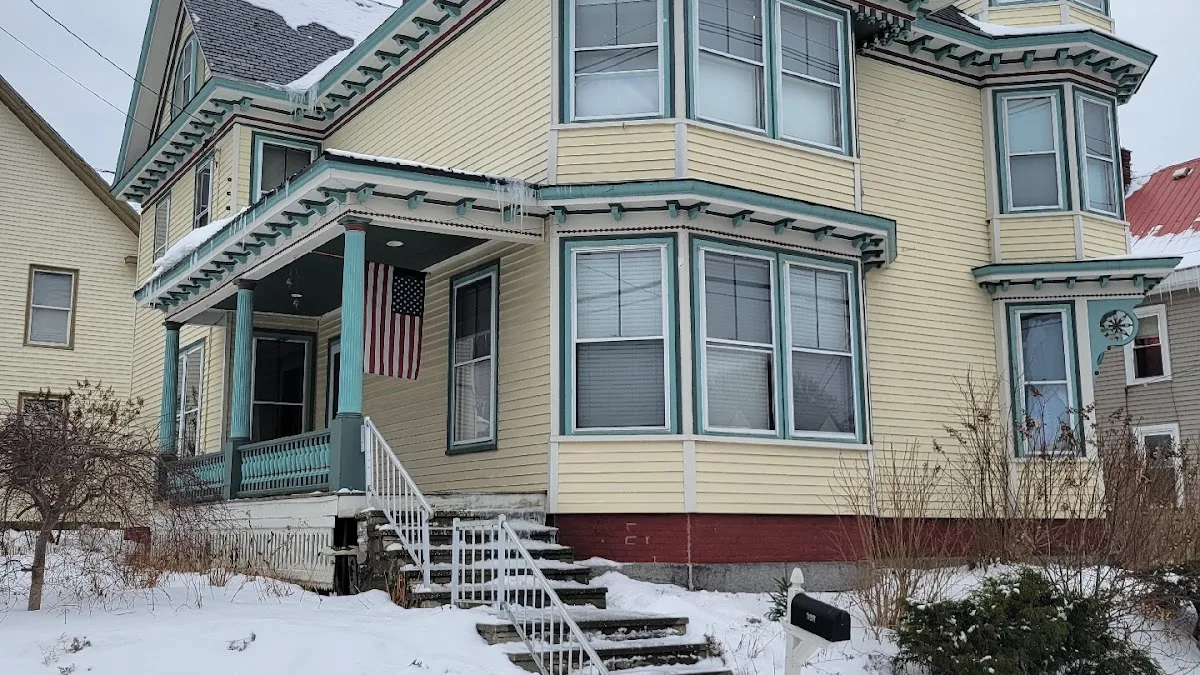
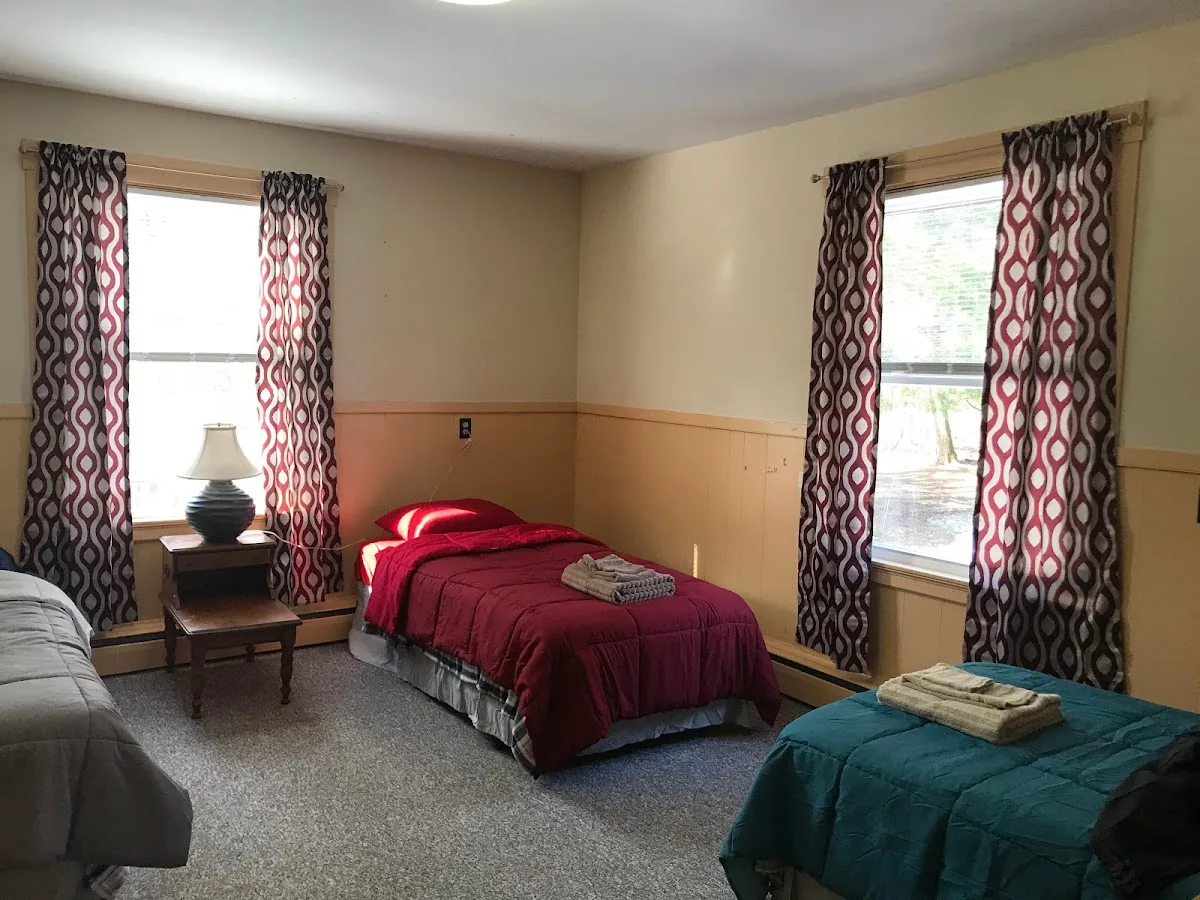
Women’s Sober Living Homes
Sober living homes specifically for women provide a safe and supportive environment for those in recovery. These homes often emphasize community and shared experiences, allowing women to support one another. Benefits of sober living homes include:
- Entorno estructurado: A routine that promotes accountability and stability.
- Apoyo entre pares: Living with other women in recovery fosters connection and understanding.
- Formación en habilidades para la vida: Programs that help women develop skills for independent living and employment.
Grupos de apoyo
Support groups tailored for women can be invaluable in the recovery process. These groups provide a safe space for sharing experiences, challenges, and successes. Notable options in Maine include:
- Women's Recovery Groups: Focused on women's experiences, these groups can be a source of strength and solidarity.
- Programas de 12 pasos: Many women find comfort in programs like Alcoholics Anonymous (AA) or Narcotics Anonymous (NA), which offer gender-specific meetings.
- Online Support Communities: Virtual platforms that allow women to connect and share their journeys, especially beneficial for those with childcare responsibilities.
Local Maine Resources
Maine is home to numerous resources dedicated to supporting women in recovery. Some notable organizations include:
- Women’s Recovery Community Center: A welcoming space offering various programs and support for women in recovery.
- Hope House: Provides comprehensive services for mothers in recovery, including housing and counseling.
- Portland Recovery Community Center: Offers peer support and recovery resources tailored for women.
Accessing the right resources can make a significant difference in the recovery journey for women in Maine. By understanding the unique challenges they face and providing targeted support, we can empower women to reclaim their lives and foster healthier futures for themselves and their families.
Más recursos de recuperación en Maine
- Outpatient Addiction Programs in Maine: Flexible Recovery
- Tratamiento de la salud mental y el diagnóstico dual en Maine
- Treatment Centers in Maine: How to Choose the Right Program
- Explore las residencias para personas en recuperación en Maine.
- Encuentra centros de desintoxicación en Maine
- Obtén ayuda gratuita ahora
Sober Network is a directory, not an intake form. Explore local facilities and contact providers directly.