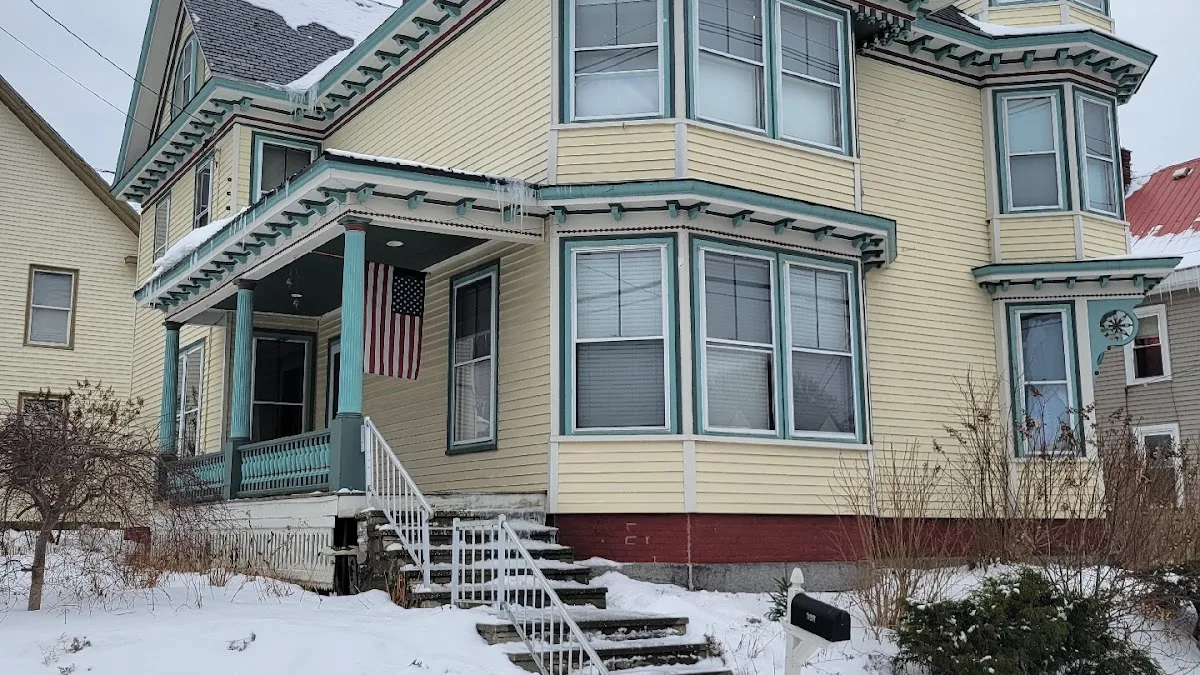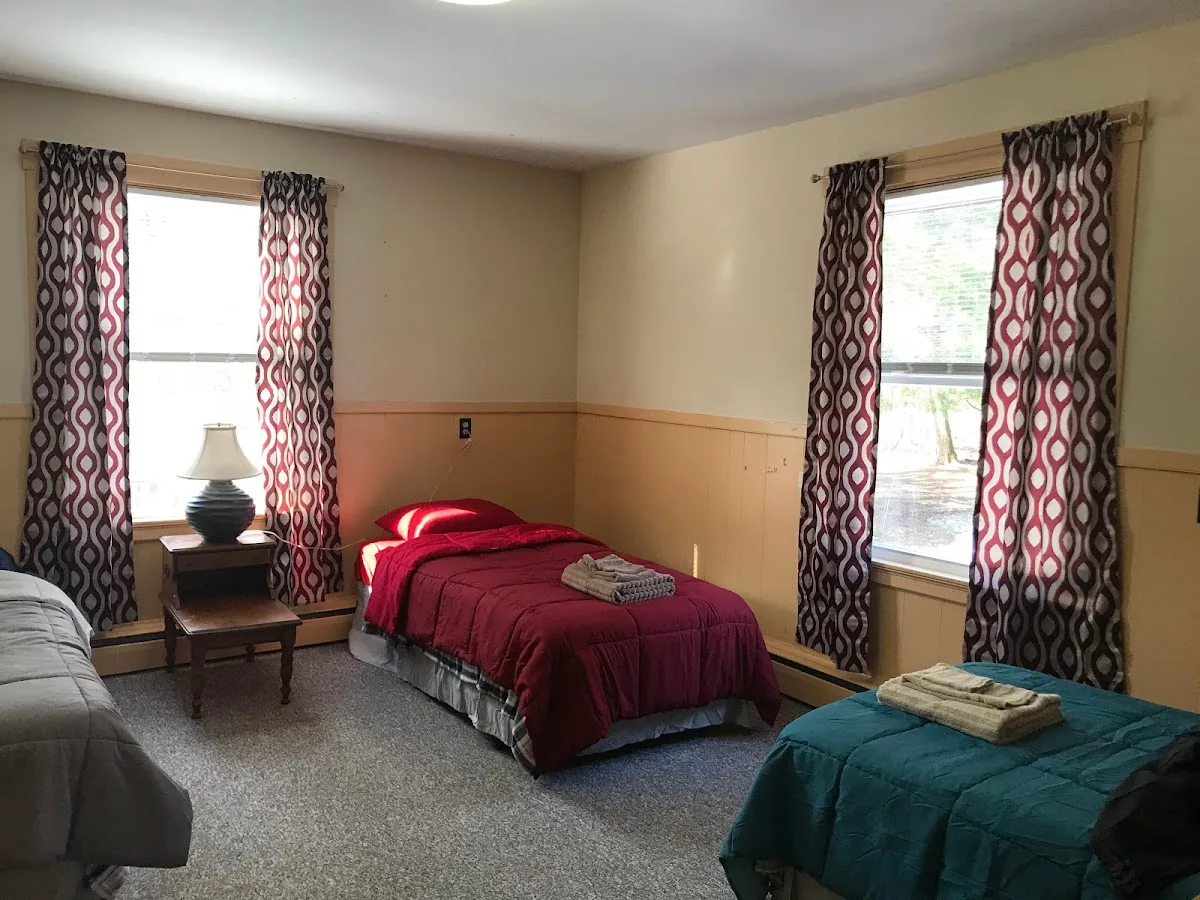
Choosing the right sober living home is an essential step in the recovery journey. In Maine, many options are available, but not all sober living homes are created equal. This guide aims to help you navigate the process of selecting a quality sober living environment that supports your recovery and well-being.
What Makes a Quality Sober Living Home?
A quality sober living home provides a supportive and structured environment that promotes sobriety and personal growth. Here are some characteristics to look for:
- Supportive Community: A sense of belonging is vital. Residents should feel supported by both staff and peers.
- Structured Environment: A well-defined schedule that includes group meetings, chores, and activities can help residents stay focused on their recovery.
- Qualified Staff: Staff should be trained in addiction recovery and have experience in providing guidance and support to residents.
- Clear Policies: Transparent rules regarding substance use, guest policies, and participation in house activities are crucial.
- Access to Resources: A good sober living home should offer connections to counseling, employment opportunities, and educational resources.
Red Flags to Avoid
While searching for a sober living home, be mindful of potential warning signs. Avoid homes that exhibit:
- Lack of Structure: Homes without clear rules or schedules may not provide the accountability needed for recovery.
- Poor Maintenance: A clean and well-kept environment is vital. If a home appears neglected, it may reflect the quality of care provided.
- High Turnover Rates: Consistently changing residents can indicate an unstable environment.
- Unqualified Staff: Avoid homes where staff lacks appropriate training or experience in addiction recovery.
Questions to Ask During Tours
When visiting potential sober living homes, consider asking the following questions:
- What is the duration of the program? Understanding the commitment required can help you gauge if it aligns with your recovery goals.
- What are the house rules? It's important to know what is expected of residents.
- What kind of support services are provided? Inquire about counseling, job placement, and other resources available.
- How is conflict resolved? Understanding the home's approach to conflict can give insight into its community dynamics.
- What is the success rate of residents? While no recovery path is perfect, a transparent success rate can indicate the home's effectiveness.
House Rules and Expectations
Every sober living home will have its own set of rules and expectations. Common rules may include:
- No substance use: Strict policies against alcohol and drug use are fundamental.
- Regular attendance at meetings: Participation in support meetings is often required.
- Curfews: Many homes enforce curfews to promote accountability.
- Chores: Residents are typically expected to contribute to the upkeep of the house.
- Respect for others: Maintaining a respectful and supportive atmosphere is essential for a healthy community.
Cost and Financial Assistance
The cost of sober living homes in Maine can vary significantly based on location and amenities. It's essential to consider your financial situation:
- Monthly Fees: Investigate the average monthly fees and what they include, such as utilities, meals, and support services.
- Insurance Coverage: Check if your health insurance policy covers sober living expenses.
- Financial Assistance: Some homes may offer scholarships or sliding scale fees based on income. Always ask about these options.
The Difference Between Level 1 and Level 2 Sober Homes
Sober living homes often operate at different levels of support:
- Level 1: These homes provide basic support and structure, ideal for individuals who have completed a treatment program and are ready to transition into independent living.
- Level 2: These homes offer more intensive support, including regular counseling sessions and monitored recovery activities. They are suitable for those who may need additional guidance in their recovery journey.
How to Find Certified Sober Homes in Maine
Finding certified sober living homes can take some research. Here are some tips:
- Online Directories: Websites like the National Alliance for Recovery Residences (NARR) provide listings of certified homes.
- Local Recovery Organizations: Reach out to local addiction recovery organizations for recommendations and resources.
- Support Groups: Speaking with individuals in recovery can provide firsthand insights and suggestions for reputable homes.
Success Tips for Sober Living
Once you have chosen a sober living home, consider the following tips to enhance your success:
- Stay Engaged: Actively participate in house activities, meetings, and community events to build connections.
- Establish a Routine: A consistent daily routine can provide structure and support your recovery.
- Communicate Openly: Share your thoughts and feelings with staff and peers to foster a supportive environment.
- Set Personal Goals: Focus on personal growth and recovery goals to keep you motivated.
- Seek Help When Needed: Don’t hesitate to reach out for support if you are struggling.
Choosing a sober living home in Maine is a significant decision that can greatly impact your recovery journey. By being informed and proactive, you can find a supportive environment that fosters healing and growth. Remember, you are not alone, and there are many resources available to help you on this path.